How Much Does It Cost To Hire A Crane In Sydney?

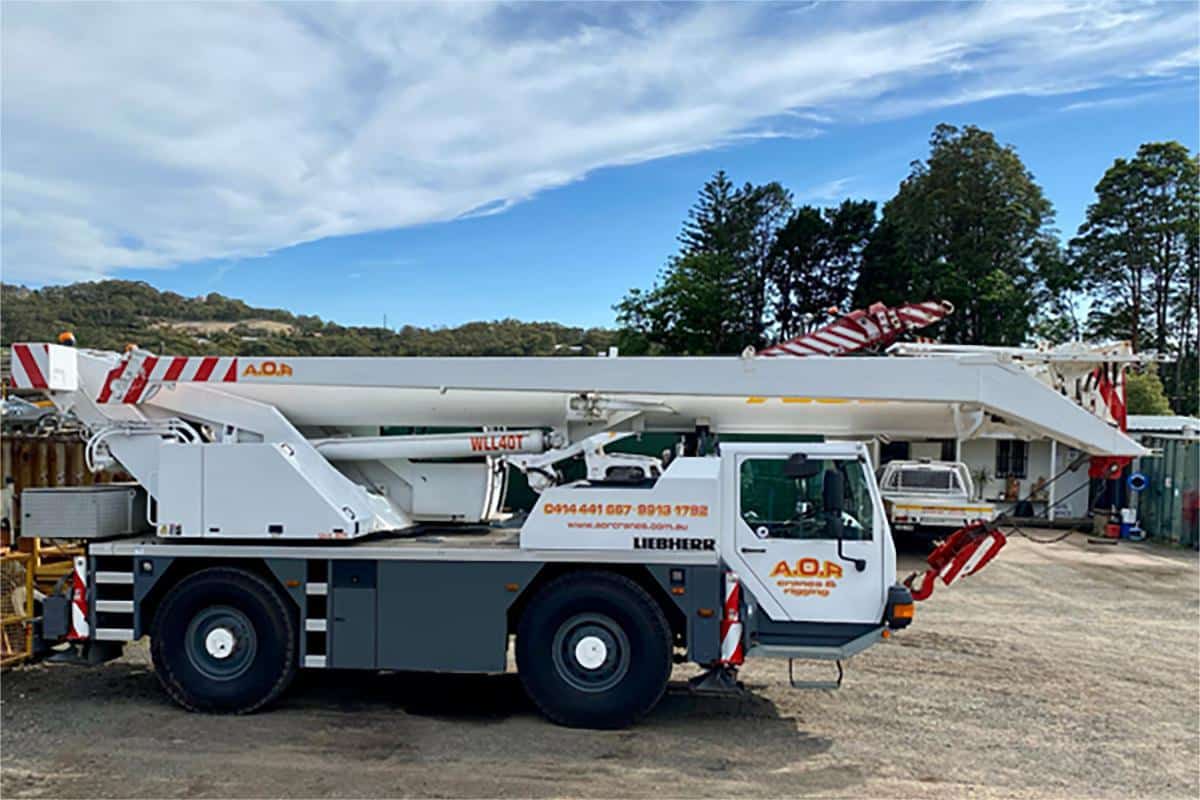
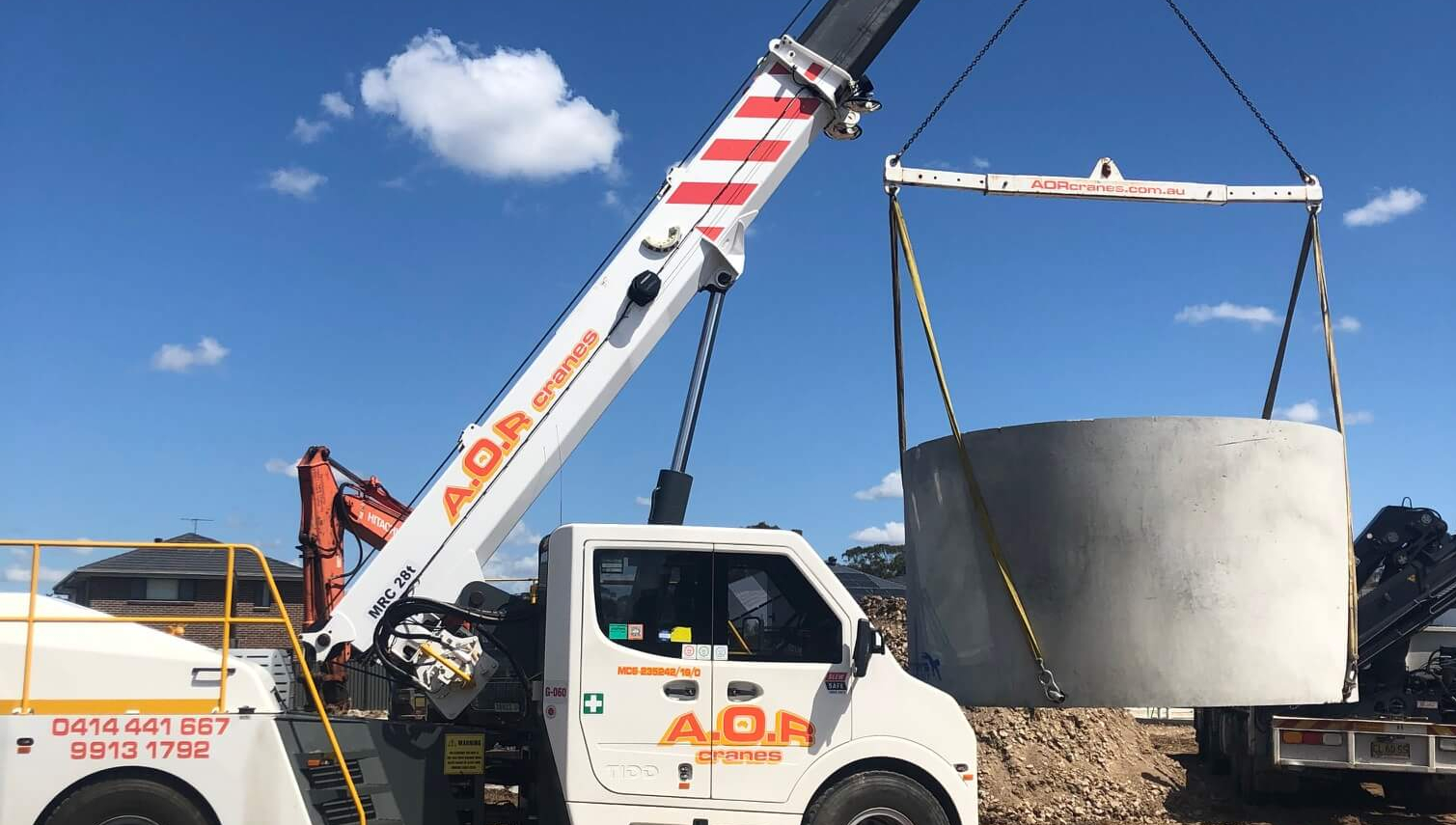
Franna heavy loding mobile crane

Crane hire in Sydney doesn’t have a single fixed price. The final cost depends on the crane you choose, the lift you need, and what’s happening on site. When you understand the main cost factors, you can plan a realistic budget, pick the right crane for the job, and keep the lift running on time. Clear information up front also helps avoid last-minute changes, so everyone can lock in their schedules with confidence.

There Is No Single Standard Crane Hire Rate

Hourly Rates Only Tell Part Of The Story

Crane hire is priced to match the work. An hourly figure on its own doesn’t explain the load, reach, access, or safety setup behind a lift. Two jobs using the same crane can end up with different totals once travel time, site delays, or extra crew come into play.

Every Job Has Different Site Conditions

A small mini crane on a quiet suburban street works very differently to a large all terrain crane beside a busy Sydney road. When pricing reflects what’s happening on site, the crane arrives ready for the conditions, the crew follows a clear plan, and the lift can finish safely without wasted time or repeat visits.

Main Factors That Affect Crane Hire Cost

Clear job details lead to clear pricing. Once you know the basics about your site, load, and timing, it becomes easier to match the crane and crew to the work and keep the total under control. These five areas have the biggest impact on crane hire cost in Sydney.

1. Crane Type And Size

Different cranes sit at different price points because they do different jobs. A compact mini crawler suits tight backyards, narrow driveways, and light residential lifts where space is limited. A Franna pick and carry crane is built for moving plant, steel, and materials around a larger site.  Big all terrain cranes step in for heavy structural steel, precast panels, and higher lifts on commercial projects across Sydney. When the crane size fits the lift, setup is smoother, the crane works within its chart, and the crew can finish in fewer hours.

2. Time, Travel And Minimum Hire

Most crane jobs run on a minimum hire period, often a few hours, that covers travel to site, setup, lifting, and pack down. After that window, the work rolls into extra hourly blocks. If the area is clear, loads are ready, and access is sorted when the crane arrives, the lift can move through that minimum period efficiently.  When trades are still preparing loads or clearing space, the crane and crew can be waiting while hire time keeps ticking over. A tidy site, a clear lifting sequence, and a firm start time help keep both time and cost under control.

3. Site Access And Setup

The way a crane reaches its working position has a direct effect on price. Tight laneways, low carports, narrow driveways, overhead power lines, and soft ground all slow down setup and may limit which crane can safely enter the site.  Some locations need extra gear such as bog mats, steel plates, or additional rigging to create a safe standing area for the crane. Simple preparation helps a lot here. Photos of the driveway and street, measurements of gate widths, and a quick site check give the crew enough information to plan the safest and quickest setup.

4. Load Weight, Radius And Height

Crane selection always comes back to three numbers: how heavy the load is, how far it needs to reach, and how high it needs to go. A light air conditioner lifted a short distance from a driveway to a single-storey roof is one level of work. A concrete pool shell over a two-storey house in a tight street is another level entirely, with more reach and more capacity required.  Heavier loads and longer radiuses call for a larger crane with more counterweight and more setup time. When you can share load weight, dimensions, and the exact pick and set locations, the team can choose a crane that covers the lift without oversizing the machine.

5. Extra Crew, Equipment And Permits

Some lifts need more support around the crane. Riggers and dogmen manage the load on the ground and on the hook, and they’re a standard requirement on many construction sites. Specialist gear such as spreader bars, lifting frames, glass lifters, or man boxes comes in when the load shape, location, or task demands it.  Work on busy streets or in the CBD can also require traffic controllers and permits from council or road authorities. Each of these items adds to the quote and they also keep people, vehicles, and nearby buildings safe while the crane is working.

How AOR Cranes Helps Keep Your Costs Under Control

Careful Planning Before The Crane Arrives

Solid planning is the quickest way to keep crane hire costs under control. AOR Cranes looks at load details, site access, street layout, and timing before the crane leaves the yard. That means the right crane, crew, and gear arrive on site with a clear lift plan. Fewer surprises on the day mean less waiting time, smoother setup, and fewer return visits.

Matching The Right Crane To The Job

AOR’s team draws on decades of work across Sydney to match each lift with a suitable crane. A mini crawler, a Franna, or a larger all terrain crane each has a clear role. When the machine fits the work, it can handle the load safely without oversizing the hire. Jobs run efficiently, lifts finish sooner, and budgets stay closer to the original quote.

Price Your Crane Hire With AOR Cranes

A few basics are all you need for a clear crane hire quote in Sydney. When you have these details ready, pricing lines up with what will actually happen on site.

  • Site address and a site contact
  • What needs lifting, including weight, size, and material
  • Where the load starts and where it needs to finish
  • Preferred date and time for the lift
  • Site access notes such as narrow lanes, low trees, power lines, or steep driveways
  • Photos or plans of the site and load if you can grab them

Share those details through the AOR Cranes request a quote form and the team can match a suitable crane to your job, plan the setup, and come back with clear numbers. The right crane turns up, the crew follows a solid plan, and your lift can be completed safely, on time, and with costs under control.

Crane Hire Cost FAQs

How Is Crane Hire Usually Charged?
Most jobs use a minimum hire period that covers travel, setup, lifting, and pack down, then roll into hourly rates if more time is needed.

Do Crane Hire Costs Include An Operator?
Yes, crane hire comes with a licensed operator, dogman and standard lifting gear, and extra crew or specialist equipment are added to the quote when required.

What Information Do I Need For A Quote?
You’ll need the site address, load details, pick and set locations, preferred date and time, and any access notes such as narrow driveways or overhead power.

Can I Get A Ballpark Price Over The Phone Or Email?
You can get an initial guide, and the price becomes more accurate once you share photos, measurements, and basic load details.

How Early Should I Book A Crane In Sydney?
Booking as soon as you know your dates gives the best chance of locking in the crane and crew you need, especially for larger or city jobs.
Boom Length vs Load Capacity: Understanding the Inverse Relationship

Boom lenght vs load capacity

If you’ve ever planned a crane lift on a construction site in Sydney or anywhere across NSW, you’ve likely faced a critical question: “Do we need more boom or more capacity?”

The two often sound like they go together, but they’re usually at odds. In crane operations, increasing boom length can dramatically reduce how much weight a crane can safely lift. That’s not just a technicality, it’s a safety issue governed by Australian Standard AS 2550 and enforced under WHS regulations.

Understanding the Inverse Relationship 

Let’s start with a simple principle: The further the load is from the crane’s center, the less it can lift. 

Cranes operate on the concept of load moment, which is the turning force created by the load as it moves away from the crane’s base. The formula looks like this: 

Load Moment = Load Weight × Load Radius 

Where: 

  • Load Radius = horizontal distance from crane center to the load 
  • Load Moment must stay within the crane’s structural and stability limits 

So, when you extend the boom (increasing the radius), the same load suddenly generates more force, pushing the crane closer to its tipping or structural limit. 

Think of a fishing rod. The further out you hold the rod, the heavier the fish feels. Same idea, except with cranes, getting this wrong can topple hundreds of tons of steel. 

How Boom Angle and Length Affect Load Capacity 

As the boom length increases, the angle of the boom often decreases to reach the same spot horizontally. This increases the load radius, even if the boom itself hasn’t changed position drastically. 

Take this example: When a crane has a 30 m boom, the load radius (horizontal reach) changes depending on the boom angle: 

  • At 80°:
    Load Radius = 30 × cos(80°) ≈ 5.2m
    (Crane can lift ~28T) 
  • At 45°:
    Load Radius = 30 × cos(45°) ≈ 21.2m
    (Crane can lift ~6T) 

As the boom lowers (angle decreases), the radius increases. Because cranes have a fixed moment limit (Load × Radius), a longer radius means they must lift less weight to stay safe and stable. 

This is why boom angle directly affects lifting capacity and why you must check load charts at your exact lift angle and radius. If your site conditions demand a flatter boom angle, you’ll need to reduce the load weight or use a stronger crane than initially anticipated. 

Why Getting Bigger Crane Isn’t Always Better 

There’s a tendency among people to “just get the big one”, thinking it’s safer or more versatile. But choosing a crane with the longest boom can backfire. 

Here’s why: 

  • Longer booms reduce lifting capacity at wider radii. 
  • Setup and mobilization take more time and may require permits or escort vehicles. 
  • Larger cranes demand more site space for outriggers and swing clearance. 
  • Bigger cranes often exceed what’s needed for the actual load weight, wasting money. 

For example, a 130-tonne all-terrain crane might only lift 8 tons at a 28-metre radius with a 60-metre boom. Meanwhile, a smaller 60-ton crane may safely lift 12 tons at the same distance with a shorter boom at a steeper angle. 

The lesson is clear: don’t select cranes by capacity rating alone. The load chart and the boom configuration matter just as much. 

When to Prioritize Boom Length Over Load Capacity 

Sometimes, you don’t have a choice. Here are common site scenarios where boom length becomes more important than lifting power: 

  • Lifting equipment over tall buildings or structures 
  • Working around permanent obstructions like trees or overhead utilities 
  • Reaching across inaccessible zones or protected areas 
  • Installing mechanical units on rooftops or elevated platforms 

In these situations, the crane must be positioned further from the load or reach higher than usual. That means selecting a crane with sufficient boom length, even if it means compromising on lifting capacity. But even then, the load chart must be followed precisely to remain compliant under WHS law and AS 2550. 

Comparison Table: Boom Length vs Max Load Capacity 

This table helps readers quickly understand how different crane types perform in terms of boom length, load radius, and lifting capacity, critical factors when selecting the right crane for a job. It simplifies complex planning decisions by aligning crane specs with real-world site needs. 

Crane Type Typical Boom Length (m) Typical Load Radius (m) Max Safe Capacity (tons) Common Use Case
Mobile Crane 25-35 5-10 20-40 General lifting on commercial sites
All-Terrain Crane 40-70 10-30 15-100 Versatile for varied site access and reach
Crawler Crane 50-100+ 20-40+ 30-150+ Infrastructure projects, long-term lifts
Pick & Carry (Franna) 10-20 3-6 10-25 Material transport around site, short lifts
City Crane 20-35 6-12 5-10 Urban sites with tight access
Tower Crane 50-80 (horizontal jib) 30-60 (radius) 2-25 (varies by radius) High-rise construction, multi-story buildings
Lattice Boom Crawler 70-120+ 30-50+ 50-300+ Heavy lifts, wind farms, major infrastructure

These are indicative figures based on typical crane performance. Actual capacity depends on make and model, rigging setup, and counterweight configuration. This table helps visualize how dramatically capacity falls as boom length and radius increase. 

Boom Length vs Capacity vs Common Project Type 

Not all cranes are created equal, some are built for reach, others for heavy lifting, and some for mobility. As a contractor or site manager, understanding how boom length, load radius, and safe lifting capacity vary across crane types is essential for choosing the right machine for the job. 

The table below offers a general comparison of commonly used crane types based on typical specifications and real-world performance. 

Project Type Load Range Reach Needed Recommended Crane Boom Length
Tilt-up panel erection 5-12T Medium 60T Mobile 30 – 40m
Rooftop HVAC lift 1-3T High 130T All-Terrain 50 – 60m
Precast wall install 10-20T Medium-High 100T AT / Crawler 40 – 60m
Wind turbine install 5-10T Very High Lattice Crawler 60m+

Technology That Helps 

Modern lifting operations benefit from tools that take the guesswork out of boom length and load capacity planning. Common tools used in the Australian crane industry include: 

  • Manufacturer load chart software 
  • 3D lift simulation to model crane position, radius, and swing zones 
  • Real-time wind monitoring to ensure safe operation under dynamic conditions 
  • Digital Safe Work Method Statements (SWMS) that automatically flag non-compliance 
  • Crane supplier consultations to generate lift plans reviewed by qualified engineers 

Using these tools isn’t just a best practice, it’s often a requirement under WHS law, especially on high-risk or high-value job sites. 

Conclusion 

Choosing the right crane for your project is about far more than lifting capacity. The real variables to consider are boom length, load radius, and site constraints. A longer boom might allow you to reach higher, but it may also force you to reduce your load size—often significantly. 

The smart move is to plan early, use tools and charts, and work closely with your crane hire experts. With the right boom-to-load match, your lift will be safer, faster, and more efficient from the ground up. 

If you’re planning your next lift, AOR Cranes provides comprehensive crane hire services across Sydney NSW, including expert lift planning, certified equipment, and WHS-compliant documentation tailored to your project needs 

Crane Lift Plan: Key Elements and Mistakes to Avoid

AOR

In high-risk environments like construction and infrastructure development, lifting operations involving cranes demand meticulous preparation. A single miscalculation in crane setup, load capacity, or environmental conditions can lead to catastrophic consequences. According to Safe Work Australia, crane-related incidents accounted for over 240 serious injury claims in the construction industry in a recent five-year period. To mitigate such risks, a crane lift plan serves as the operational blueprint that ensures each lift is executed safely, efficiently, and in compliance with national regulations.

What is a Crane Lift Plan?

A crane lift plan is a comprehensive strategy that outlines how a crane will be used to safely lift, move, and place a load. It serves as a safety and coordination document that considers all the variables involved in the lift, including site conditions, weather, equipment, personnel, and load characteristics.

According to Australian standards, particularly AS 2550.5 and Work Health and Safety Regulation 2011, lift plans are mandatory for high-risk operations. These plans should not be treated as one-size-fits-all templates. Instead, they must be tailored to the site and the complexity of the lift.

Scenarios requiring a crane lift plan include:

  • Lifts exceeding 75% of rated crane capacity.
  • Lifts performed near active traffic, overhead powerlines, or public zones.
  • Tandem or multiple crane lifts.
  • Lifts involving personnel hoisting or non-routine load configurations.

Creating a lift plan in these scenarios ensures that everyone on site, from supervisors to riggers, is aware of their responsibilities, the sequence of operations, and emergency protocols.

8 Key Elements of a Crane Lift Plan

A well-structured crane lift plan isn’t just a formality; it’s a proactive risk management tool. Each component of the plan plays a distinct role in reducing hazards, streamlining communication, and ensuring regulatory compliance. Below is a detailed breakdown of what must be included and why each element matters.

1. Load Characteristics

Before any crane even starts its engine, you need a full understanding of the load to be lifted. That means:

  • Accurate weight calculation: Use certified documentation or load cells if unknown. Misjudging weight can lead to boom failure or tipping.
  • Load geometry: Irregular shapes require customized rigging solutions.
  • Center of gravity (CoG): If the CoG isn’t centered beneath the hook, the load may swing, rotate, or shift mid-air.

Example: Lifting a steel tank that’s wider at the base demands precise identification of the CoG to avoid tilting.

Pre-Lift Load Characteristics Checklist

  1. Use this if you’re hiring a crane or preparing a lift plan.
  2. Is the total load weight known and verified?
  3. Have load dimensions (L × W × H) been measured and documented?
  4. Has the center of gravity been identified or estimated?
  5. Is the shape regular or does it require special rigging?
  6. Are lift points clearly marked and structurally sound?
  7. Is the load rigid, flexible, or likely to deform in the air?
  8. Does the load require surface protection (e.g., padding, spreaders)?
  9. Have you shared drawings or photos of the load with your crane provider?

2. Crane Specifications

Not all cranes are created equal, and using the wrong crane type for a lift can be disastrous.

  • Crane type: Mobile, tower, or crawler? Each has different mobility, capacity, and setup needs.
  • Load chart reference: Always consult the crane’s load chart for boom length and radius combinations.
  • Setup parameters: Include outrigger placement, counterweights, slewing limitations, and tail swing clearance.

Quick Guide: Choosing the Right Crane for Your Lift

Selecting the wrong crane can delay your project or compromise safety. Here’s a simplified breakdown to help you match crane type to your site needs:

  • Mobile Slew Cranes
    Fast to set up, road-legal, and ideal for general construction lifts with good access.
    Best for: Rooftop HVAC, steel beams.
  • Crawler Cranes
    Great for heavy lifts on soft or uneven ground. Requires more setup space.
    Best for: Bridge work, remote infrastructure.
  • Tower Cranes
    Fixed to site, perfect for vertical lifting on high-rise projects.
    Best for: Apartments, commercial buildings.
  • Rough Terrain Cranes
    4WD and stabilizers make them ideal for off-road, uneven job sites.
    Best for: Wind farms, pipeline work.
  • Pick and Carry (Franna)
    Compact, mobile, great for quick shifts of light loads.
    Best for: Onsite equipment moves.

Read more for a detailed guide on selecting right crane for every job .

3. Rigging Configuration

This is often where plans go wrong. Inadequate rigging is a leading cause of dropped loads.

  • Rigging gear selection: Ensure WLL (Working Load Limit) is suitable. Slings, shackles, hooks, and spreader bars must be matched to the load.
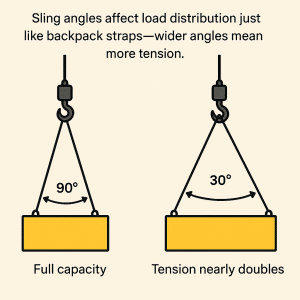
  • Sling angles: Sharper angles increase tension on slings. Calculations must factor this in.
  • Inspection logs: All rigging gear should be inspected and tagged before the lift.

As shown in the image below, sling angles significantly affect load distribution. Therefore, selecting the correct angle is crucial for a safe and stable lift.

sling angles affect on load distribution

4. Ground and Environmental Assessment

A crane’s lifting capacity depends on several factors, including weather and ground conditions.

  • Soil bearing capacity: Must be verified to prevent sinkage or instability.
  • Underground services: Always locate utilities before setup, contact Dial Before You Dig in Australia.
  • Weather considerations: Wind speed affects the lifting capacity of cranes with high boom lengths. Lifts should be rescheduled if wind speeds exceed crane-specific limits (typically 36 km/h for mobile cranes). Also consider lightning, heavy rain, or poor visibility.

5. Lifting Path and Movement

It’s not just about going up and down, lateral movement introduces complexity and additional hazards.

  • Load path planning: Map the full travel route of the load to avoid contact with obstacles like scaffolding, overhead cables, or nearby structures.
  • Crane swing radius: Define and mark the area around the crane’s rotation zone to prevent personnel from entering dangerous zones during operation.
  • Emergency drop zones: Pre-designate safe areas where the load can be lowered quickly in case of equipment failure or sudden environmental hazards.

6. Personnel and Supervision

People are the most critical part of any lift.

  • Named personnel: Every lift plan must list the crane operator, dogman, rigger, lift supervisor, and spotters.
  • Competency verification: All must hold valid High Risk Work (HRW) licences per Safe Work Australia.
  • Toolbox talks: Conduct a pre-lift briefing to review responsibilities and site hazards.

7. Communication Plan

Clear, fail-safe communication is vital, especially when visibility is limited or when lifting in noisy environments.

  • Primary system: Most sites use two-way radios with a designated channel.
  • Secondary system: Hand signals, standardized under AS 2550.1, serve as backup.
  • Spotters and signalers: Should be clearly identified in PPE and remain in direct line-of-sight or radio contact.

8. Emergency Protocols

Things go wrong, even with perfect planning.

  • Wind shutdown procedures: Know your crane’s wind limits and stick to them.
  • Mechanical failure response: Have trained personnel ready to engage emergency brakes or drop loads safely.
  • Evacuation plans: Include routes, assembly points, and contact numbers in the lift plan.

Standard vs. Critical Lifts

Not all lifts are created equal. Some crane operations are straightforward and occur in controlled environments, while others involve complex load dynamics, tight working spaces, or high-consequence environments. This is where understanding the difference between standard and critical lifts becomes essential.

A standard lift typically involves known loads under controlled conditions, using a single crane well within its capacity. These lifts follow routine procedures and generally don’t require engineering review beyond basic compliance checks.

In contrast, a critical lift involves elevated risks, whether it’s lifting close to the crane’s capacity, working over live plants or public spaces, performing tandem crane operations, or involving expensive or irreplaceable loads. Critical lifts require additional scrutiny, including peer-reviewed lift calculations and constant supervision by experienced personnel.

Here’s a side-by-side comparison for clarity:

Criteria Standard Lift Critical Lift
Capacity Usage ≤ 75% of crane rating ≥ 90% or multi-crane coordination
Load Type Known and simple Complex, large, sensitive, or unknown loads
Risk Environment Controlled, clear zone Crowded site, near public or utilities
Documentation Basic lift plan Full engineered lift plan with supporting calculations
Supervision Lift supervisor recommended Mandatory full-time lift supervisor with sign-off authority

Safety and Legal Importance

Lift plans are not just internal guidelines, they are enforceable documents that demonstrate duty of care under Australian law. Failure to implement a crane lift plan that meets WHS regulations can result in fines, project delays, or worse, fatal incidents.

  • They also provide an audit trail for:
  • Site inspectors and project auditors
  • Insurance claims following incidents
  • Root cause analysis in case of mechanical failure or human error

A documented lift plan also protects crane operators from liability when procedures are followed correctly. According to WorkSafe NSW, several serious crane accidents could have been prevented if documented lift procedures had been followed.

5 Common Mistakes to Avoid

Some frequently overlooked errors in crane lift planning include:

  • No lift plan for routine lifts: Every lift involving non-trivial weights or public risk should be documented.
  • Improper rigging assumptions: Using slings that are improperly angled or worn out drastically increases failure probability.
  • Missing wind monitoring protocol: Even moderate winds can destabilize long boom lifts.
  • Untrained spotters: Spotters must be trained in crane movement and hand signal standards.
  • No trial lift or dry run: Testing the lift with a partial load or empty hook can expose issues before the full load is handled.

Final Thoughts

Crane lift planning is about more than compliance, it’s about foresight, collaboration, and accountability. Every successful lift begins long before the crane is on site, with a well-researched, site-specific plan that anticipates the unexpected.

When in doubt, consult a certified lift planner or engage crane hire specialists with engineering capabilities. Proper documentation and preparation today can prevent disaster tomorrow.

For reliable, fully compliant crane lift planning and execution, explore how AOR Cranes supports complex lifting projects across Sydney, NSW.

Can You Hire a Crane for Just One Day? Pros, Cons & Booking Tips

crane hire for one day

Yes, you can hire a crane for a single day. Here’s What You Should Know.

Not every construction job or residential lift requires a week-long hire. In fact, many projects only need a crane for a few hours. That raises the question: Can you hire a crane for just one day?

Absolutely, crane hire for one day is not only possible but also becoming increasingly common. Whether you’re a builder installing structural steel or a homeowner lifting a pool into your backyard, short-term crane hire offers flexibility without the commitment or cost of a long-term contract.

Why Demand for Short-Term Crane Hire Is Rising

According to the Australian Construction Industry Forum (ACIF), over 65% of mid-sized construction projects in urban areas now incorporate equipment hire for one to three-day durations, especially when tasks involve specialized lifts. Crane hire companies have responded with packages tailored to this demand.

In major cities like Sydney, where construction schedules are tight and site access is limited, clients often book cranes for half-day or one-day jobs. Hiring a crane for a single day is ideal for:

  • Quick residential lifts (e.g., pools, hot tubs, air conditioning units)
  • Construction material placement (like steel, timber, or roofing)
  • Event setups (temporary structures, stages, signage)
  • Machinery relocation in warehouses or industrial sites

For tasks that are well-planned and don’t require extended rigging or multiple lift stages, one-day hire is not just feasible, it’s cost-effective.

Benefits of One-Day Crane Hire

  1. You Pay for Exactly What You Use: Unlike long-term contracts, you avoid idle charges. If your job only takes 4-6 hours, you’re billed accordingly. Most providers offer 4-hour minimums with transparent hourly rates beyond that.
  2. Minimal Disruption, Maximum Impact: A day hire lets you complete complex lifts quickly, reducing interference with other trades on site.
  3. Scalable Fleet Access: From compact Frannas to 100-tonne all-terrain cranes, you can choose exactly what you need without committing for days.
  4. Fully Licensed Operators (Wet Hire): Don’t have a licensed crane driver on-site? Wet hire covers the crane plus an experienced operator, ensuring compliance with Australian WHS laws. Safe Work NSW also shows that over 74% of crane-related incidents happen during setup or poor planning, underscoring the need to use experienced operators even for short jobs.
  5. Emergency or Short-Notice Jobs: Some providers offer same-day dispatch, ideal for urgent relocations or unforeseen breakdowns.

Limitations of Booking a Crane for Just One Day

While convenient, one-day hires aren’t always plug-and-play. There are a few caveats:

  1. Minimum Booking Period Still Applies: Most companies enforce a 4-hour minimum, even if your task is quicker. This helps cover setup, travel, and mobilization.
  2. Limited Availability During Peak Periods: Crane availability can drop during construction booms, especially for weekend or night jobs. Booking in advance is wise.
  3. Site Access May Affect Feasibility: If your site has tight access or overhead hazards, the crane may need additional setup time or smaller machinery, which can affect scheduling.
  4. Complex Lifts May Require Additional Planning: Jobs involving structural steel, concrete panels, or engineering sign-off may not fit neatly into a one-day window.

How to Book a Crane for One Day in Right Way

  1. Share Project Details in Advance: Send through load weights, lift radius, site photos, and access constraints. This avoids last-minute equipment swaps.
  2. Ask for an All-Inclusive Quote: Make sure your quote covers not just crane hire but also travel, rigging, setup, and standby time. Ask about surcharges for overtime.
  3. Schedule Early or Midweek If Possible: Monday mornings and Friday afternoons book fast. Midweek mornings offer better availability and fewer delays.
  4. Choose Wet Hire for Safety and Compliance: Crane operators must hold a High-Risk Work License (HRWL) in Australia. Wet hire takes liability off your shoulders.
  5. Don’t Skip the Lift Plan: Even for small jobs, a lift plan ensures proper crane setup, correct slinging, and compliance with WHS regulations.

What Types of Cranes Are Available for Daily Hire?

Depending on your lifting needs, well-known crane hire companies in Sydney offer:

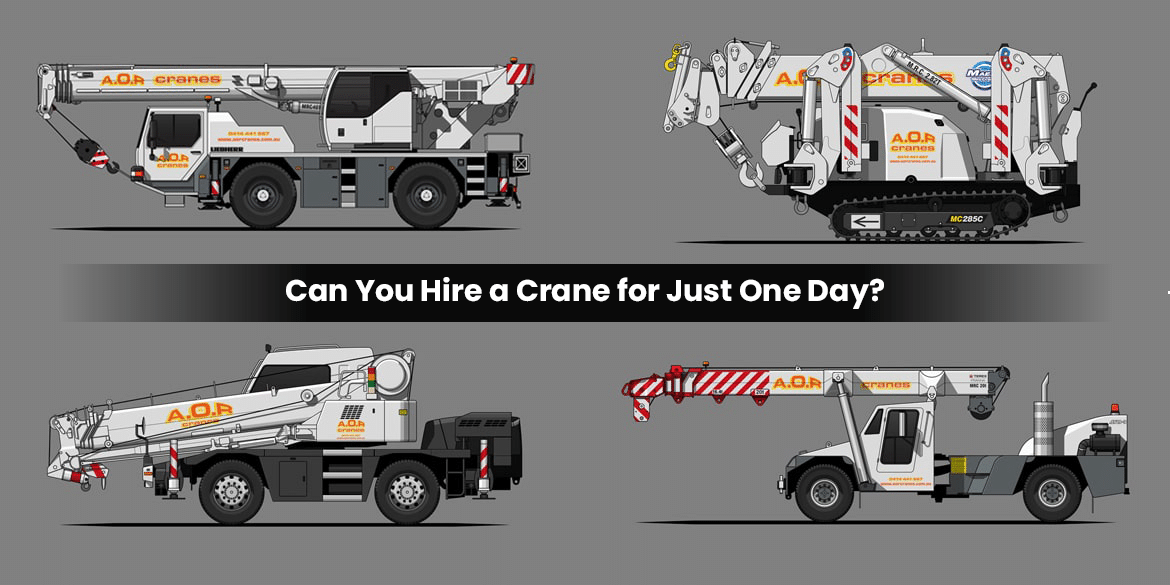
  1. Franna Cranes (15T–25T): Franna cranes are ideal for short, on-the-go lifts like moving spas, AC units, or building materials in suburban areas. They’re compact, road-registered, and don’t require outriggers, which means setup is fast. Most Franna jobs take between 2 to 6 hours, making them perfect for quick, single-day projects.
  2. Mobile Slewing Cranes (25T–100T+): Mobile cranes are used when heavier materials need precise placement on construction sites. Their 360° slewing ability and stabilizers allow for complex lifts over obstacles. Typical one-day hires last 4 to 10 hours, including setup, rigging, and lift execution.
  3. All-Terrain Cranes (40T–200T+): All-terrain cranes are built for rough or uneven ground, combining off-road mobility with serious lifting power. They’re often used in commercial or infrastructure projects needing long reach or heavy payloads. A standard one-day job can run 6 to 12 hours, including setup and dismantling.
  4. City Class Cranes (25T–60T): City cranes are made for tight urban job sites like laneways or rooftops. Their compact size makes them easy to position in crowded areas without compromising lifting capacity. Most are hired for 3 to 8 hours, with quick setup times and minimal road disruption.

Is One-Day Crane Hire Right for You?

If your lift is well-planned, under eight hours, and non-complex, a one-day hire is not only sufficient, it’s smart.

You’ll save money, keep your project agile, and avoid the admin of long-term hire contracts. But as with any lift, success comes down to preparation, safety, and partnering with the right team.