Mini Crawler vs Franna Crane
Mini Crawler Vs Franna Crane For Tight Access | Which One Fits Your Site?
Tight access changes the crane hire decision fast. A narrow driveway, side path, indoor work area or busy loading zone can rule out a crane that may look right on capacity alone. The machine still has to reach the lift area, set up cleanly and work within the site conditions on the day.
Understanding the difference between a mini crawler crane and a Franna helps you choose a crane that suits both the job and the site. Both cranes can help when space is limited, as long as the access, ground conditions and lift plan suit the machine. The right choice comes down to access width, load weight, lift radius, ground conditions, travel path and how much movement the load needs once it’s on the hook.
For tight Sydney sites, AOR Cranes can help assess whether mini crawler crane hire or Franna crane hire gives the job the cleanest lift plan.
Mini Crawler Or Franna?
Mini Crawler Cranes Are Built Around Access
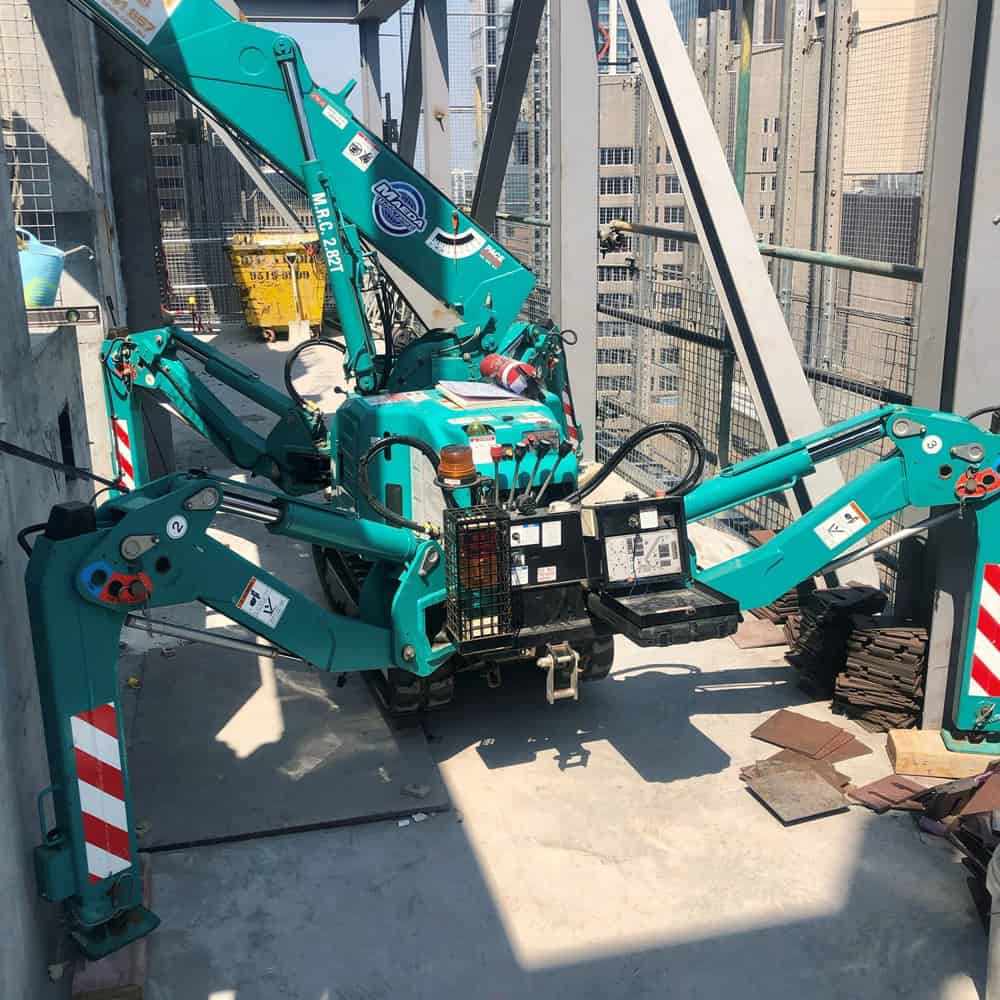
A mini crawler crane is a compact tracked crane made for restricted access. AOR’s current mini crawler range includes 2 tonne, 3 tonne and 4 tonne Maeda cranes, giving builders a practical option for jobs where a larger mobile crane can’t get close enough to the work area.
These cranes are often considered for backyards, courtyards, indoor fit-outs, narrow side paths, glazing, spas, small plant, steel and careful placement work. The crane can often travel into the work zone, set up close to the final position and complete a controlled lift from a smaller footprint.
Franna Cranes Are Built Around Movement
A Franna crane is a pick and carry crane. It can lift a load and move with the load suspended when the site conditions, load chart and planned travel path allow it. AOR’s fleet includes the 20 tonne Franna AT20, a familiar choice for machinery moves, steel, plant, building materials and short site relocations.
The main value is mobility. If a load needs to come off a truck, move across a yard and land in another position, a Franna can be very efficient when the ground is firm, the path is clear and there’s enough room to manoeuvre.
For more detail on this crane type, check out AOR’s guide to what a Franna crane is and when to use one.
At A Glance: Which Crane Suits The Job?
Use this table as a starting point before the lift is checked against the crane chart, site access, ground conditions and any project-specific safety requirements.
| Site Factor | Mini Crawler Crane | Franna Crane |
| Access width | Strong for narrow entries, side paths, courtyards and tighter openings. | Needs more access width, turning room and a clear approach. |
| Load capacity | Suits lighter, controlled lifts in restricted areas. | Suits heavier loads within rated capacity. |
| Movement | Works well from a planned setup position close to the lift. | Can pick and carry loads across suitable ground. |
| Indoor use | Often a strong option for fit-outs, warehouses and semi-enclosed areas. | Usually suited to outdoor or open industrial areas. |
| Ground conditions | Tracks can help spread load, with setup still checked properly. | Needs a firm, level travel path when carrying a load. |
| Typical work | Pools, spas, glass, small plant, fit-out materials and backyard lifts. | Steel, machinery, plant, building materials and site relocations. |
| Cost fit | Can save time when access is the pressure point. | Can save time when short site movement is required. |
The best crane is chosen by checking how the load, access route, setup area and movement path work together.
Load Capacity, Radius & Lift Position
Start With The Load, Then Check The Reach
Capacity is usually the first question. A Franna has a much higher headline capacity than a mini crawler crane. The Franna AT20, for example, is rated to 20 tonnes in the right configuration, with capacity changing as the radius, boom position and site conditions change.
Mini crawler cranes work in a lower capacity range, with AOR’s mini crawler fleet sitting at 2 tonne, 3 tonne and 4 tonne options. That smaller capacity can still be the better fit when the load is lighter, access is tighter and the crane needs to work close to the final placement area.
The Furthest Reach Can Decide The Crane
The heaviest load matters. The furthest reach matters as well. Load dimensions, lifting gear, boom position, landing area and site obstacles can all change the crane choice. A light item lifted a short distance from a driveway is very different to the same item lifted over fencing, garden beds or a finished roofline.
Access, Ground & Work Area
Tight Residential Access
Many Sydney homes make crane access difficult. Inner West terraces, Northern Beaches blocks and older Eastern Suburbs properties can all bring the same pressure points: narrow driveways, stepped side paths, trees, low eaves, parked cars, sloping ground and backyards with very little spare room.
For these sites, a mini crawler crane is often the first machine to assess. It works well where the crane has to reach the lift zone through tight access, then place the load carefully around finished paving, gardens, fencing or the house itself.
Indoor & Fit-Out Work
Indoor lifts need checks around loading docks, doorways, roller doors, thresholds, finished floors, slab capacity, ceiling height and the final work zone. A compact crane can still create concentrated loads, so the route and setup area need to be reviewed before the booking is locked in.
Mini crawler cranes often suit indoor and semi-enclosed work because they can operate close to the final placement area. That can help on factory equipment installs, warehouse work, atriums, fit-outs and jobs where a larger crane can’t access the building.
Ground Conditions & Travel Paths
Both crane types need suitable ground. Tracks can help spread load on a mini crawler, and the surface still needs to be checked before travel or setup. Wet ground, backfilled trenches, soft verges, damaged paving and suspended slabs all need attention before the crane travels or sets up.
Frannas need particular attention when the lift involves travelling with a suspended load. The path needs to suit the machine, the load and the travel movement. Slopes, uneven surfaces, tight turns, loose ground and blocked routes can all affect whether a Franna is the right pick for the job.
Which Crane Is More Efficient?
Look Beyond The Hourly Rate
Crane hire cost is shaped by more than the hourly rate. Transport, setup time, access preparation, crew requirements, rigging, standby time and rehandling can all affect the final cost. The wrong crane can turn a short lift into a slow site exercise.
Choose The Crane That Reduces Handling
A mini crawler crane can be cost-effective when it avoids a larger crane setup, reduces access disruption and gets close enough to place the load cleanly. A Franna can be cost-effective when it can lift, travel and reposition across a suitable site in fewer movements.
The more efficient crane is the one that reaches the lift safely, sets up cleanly and completes the work with fewer delays, return visits or extra touches on the load.
When Each Crane Makes Sense
Choose A Mini Crawler Crane When
- Access is narrow or awkward.
- The lift is in a backyard, courtyard, indoor area or tight work zone.
- The load is smaller and needs careful placement.
- Finished surfaces, paving, landscaping or indoor floors need extra care.
- A larger mobile crane can’t get close enough to the final position.
Choose A Franna Crane When
- The load is heavier and sits within the crane’s rated capacity.
- The crane needs to pick and carry across the site.
- The site has suitable access, room to manoeuvre and firm ground.
- The job involves plant, machinery, steel or building materials.
- Several short movements are needed across a yard, depot or worksite.
What AOR Needs To Know Before Recommending A Crane
A clear recommendation starts with clear site information. Before booking, it helps to send AOR Cranes the practical details that shape the lift.
Send The Load Details
- Load weight and dimensions.
- Material type, such as steel, glass, plant, spa, machinery or building materials.
- Pick location and final placement location.
- Any lifting points, drawings or supplier notes.
Send The Site Details
- Photos of the street, driveway, access path and lift area.
- Gate, driveway, doorway and tight turn measurements.
- Ground surface details, including concrete, paving, turf, slope or soft areas.
- Overhead obstructions, trees, powerlines, scaffold, eaves and parked cars.
- Whether the load needs to move across the site after it’s picked.
Photos usually help more than a long description. A few wide shots from the street, the access path and the final lift area can give the team a clear sense of which crane should be assessed first.
Match The Crane To The Access, Load & Site
Mini crawler cranes and Franna cranes both have a clear place on tight access jobs. If the access path is the main challenge, a mini crawler crane is often the first option to review. If the load is heavier and needs to move through a suitable worksite, a Franna can keep the job moving with less handling.
AOR Cranes can review the access, load, radius, ground conditions and lift sequence before the crane arrives. Send through photos, measurements and load details early so the team can match the machine to the site, not a guess made on crane day. To discuss an upcoming lift, contact AOR or explore our mini crawler cranes and Franna cranes.
FAQ Mini Crawler Vs Franna
Is A Mini Crawler Crane Better Than A Franna For Tight Access?
It can be, especially when the crane has to pass through a narrow entry, side path, courtyard, doorway or indoor route. A mini crawler crane is often chosen when access to the lift area is the main problem.
Can A Franna Crane Work In A Narrow Driveway?
Sometimes. It depends on the driveway width, turning room, slope, ground condition, overhead clearance and whether the crane needs to travel with the load. Photos and measurements will help confirm whether it’s realistic.
Which Crane Costs Less To Hire?
The better-value option depends on the site and lift. A mini crawler may save time when access is tight. A Franna may save time when the load needs to move across a suitable site. The better value is the crane that completes the lift with fewer delays and less handling.
AOR Cranes is dedicated to delivering top-notch crane hire services with safety, reliability, and expertise at the core. With over 30 years of experience, we handle every project with care and expertise to meet your needs.