Tight Access Glass Panel Crane Hire – Mini Crawler Vs City Crane

187141d1 e8cc 40f0 af2f 4c9c78df9728 Tight Access Glass Panel Crane Hire - Mini Crawler Vs City Crane

When you’re lifting large glass panels in tight Sydney sites, there isn’t much room for error. One bad move can crack a panel, damage a finished façade, trigger rework and blow a hole in the program. All this while navigating neighbours and traffic build up on the street. The crane you choose has a big say in how that day goes.

For glaziers, façade installers and builders, smart planning starts with picking the right crane hire option for the job. In many tight-access Sydney projects that choice is between a mini crawler crane working close to the install point, or a city crane set up in the street or driveway. Understanding where each option shines gives you safer glass lifts, smoother days on site and a better result for your client.

Why Tight-Access Glass Lifts Need The Right Crane

What Makes Glass Lifts High Risk

Big glass panels look clean and stylish when they’re in place. Getting them there is a different story. You’re dealing with:

  • Fragile, expensive panels that don’t like sudden movement
  • Tight tolerances on brackets, channels and frames
  • Wind that can catch a panel and turn it into a sail
  • Pedestrians, traffic and finished surfaces close to the work area

One slip can mean broken glass, damaged façades and long delays while replacement panels are ordered.

Common Tight-Access Glazing Scenarios

Tight-access glass lifts show up all over Sydney, for example:

  • CBD shopfronts where you’re working off the kerb near live traffic
  • Inner suburban terraces and duplexes with narrow side access and tight backyards
  • Multi-storey façades where awnings, balconies or trees limit set up room
  • Shopping centres where you need to lift through entries or operate inside the building

Each site pushes the crane into a slightly different corner and that’s where crane choice really matters.

What Glaziers And Builders Need From A Crane

For glass panel crane hire in Sydney, the crane has to work with the job, not against it. Most glazing crews are looking for:

  • A footprint that fits the space without crowding the install area
  • Reach and capacity that match their typical panel sizes and frame weights
  • Set up and pack up that respect neighbours, traffic and trading hours
  • Smooth, precise control for final positioning
  • Simple integration with vacuum lifters and glass handling gear

When the crane ticks these boxes, glass lifts feel controlled, predictable and far less stressful for everyone on site.

Mini Crawler Cranes For Glass And Glazing Work

Where Mini Crawlers Fit Best

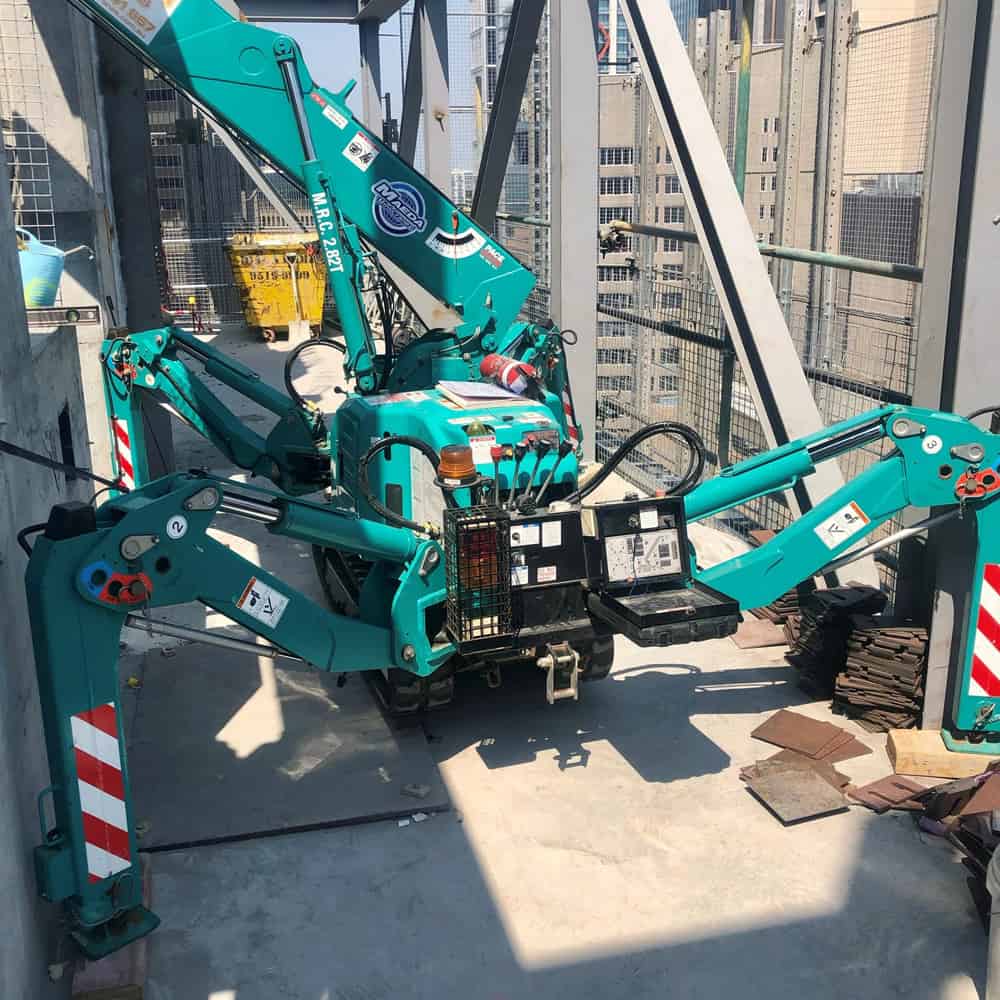
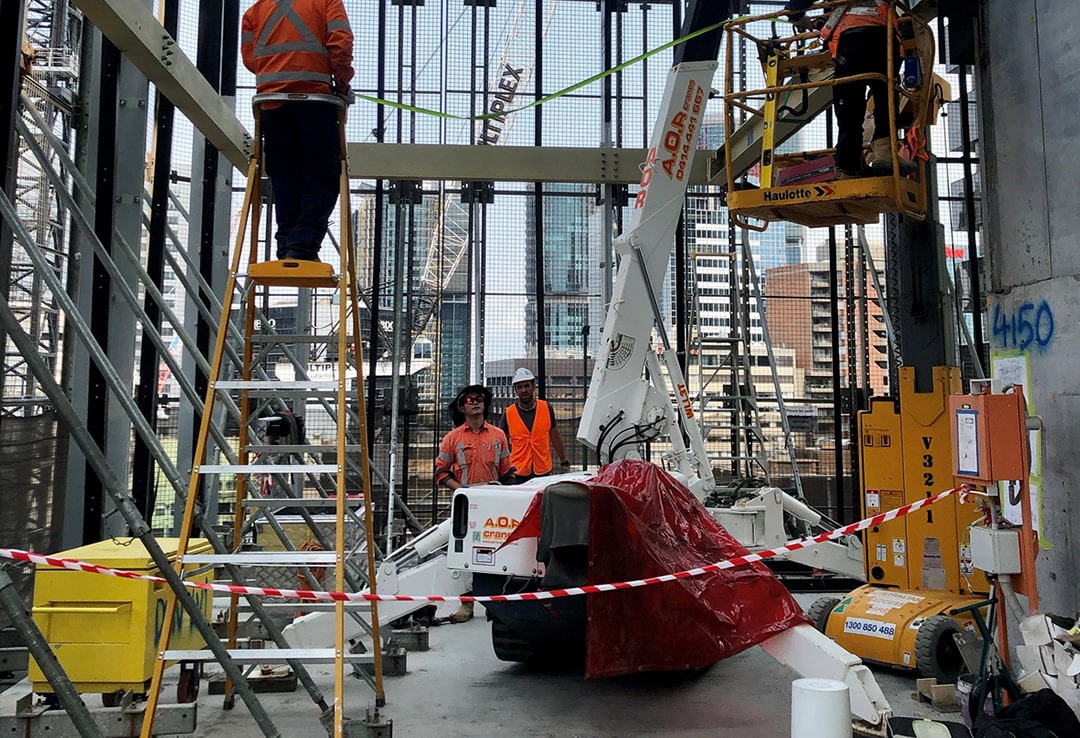
Mini crawler cranes come into their own when a truck crane can’t get near the work. Typical spots include:

  • Rear yards and courtyards with narrow side access
  • Podiums and slabs on multi-res sites
  • Shopping centre entries, malls and atriums
  • Tight laneways and service corridors

Tracked travel and compact dimensions mean you can take the crane to the glass instead of trying to reach in from the street.

Advantages For Glass Panel Lifting

For glaziers and façade crews, mini crawler crane hire in Sydney can solve a lot of headaches:

  • Compact footprint that fits side paths, patios and internal spaces
  • Ability to work close to the install point and boom up instead of over-reaching
  • Smooth, precise movements for seating glass on brackets and channels
  • Easy pairing with vacuum lifters and glass handling gear
  • Low noise and, where available, electric options for indoor or sensitive sites

That mix suits jobs where you want full control at the panel and minimal impact on neighbours or public areas.

Limits To Keep In Mind

Mini crawlers aren’t the answer for every glass lift. Key limits include:

  • Lower capacity than a city crane, especially at long radii
  • Shorter reach when you need to go over roofs, awnings or multiple levels
  • Need for sound ground conditions along the access path and set up area

If the panel is heavy, the reach is long or the only safe position is out on the street, a city crane will often be the safer call.

Mini Crawler Vs City Crane – Key Differences For Glazing Lifts

When you’re planning glass panel crane hire in Sydney, it helps to see the two options side by side.

Factor Mini Crawler Crane City Crane
Access & footprint Walks through narrow side paths and gates. Sets up on slabs, podiums and courtyards. Can work inside malls and under cover. Needs truck access and a level pad in the street, driveway or car park. Often set up outside the site and works in from the kerb.
Reach & height Best when it can sit close to the glass. Suited to lower levels and moderate reaches. Ideal under awnings, balconies or roof overhangs. Strong reach and capacity at height. Better for higher façades and shopfronts where you need to reach over awnings or canopies.
Panel size / capacity Suits small to medium panels within crawler capacity when positioned close to the install point. Handles larger, heavier glass panels and frames, especially at longer radii.
Set up time & disruption Longer to track in and rig. Very low impact on traffic, pedestrians and neighbours once in position. Often quicker to set up and pack up once access is ready. May need traffic control, permits and more neighbour communication.
Typical glazing scenarios Rear yards, courtyards, side access jobs, internal malls and podiums where space is tight and public access is limited. Street-side shopfronts, multi-storey façades, lifts over houses or awnings where you can claim road or driveway space for the crane.

Choosing The Right Glazing Crane For Your Job

Start With Site Access

Site access decides half the job before you even talk capacity. Run through a quick checklist:

  • Can a truck-mounted city crane set up safely in the street, driveway or car park.
  • Is there enough room for outriggers without blocking fire exits or driveways.
  • Is there a clear path wide and high enough for a mini crawler to track through side access, entries or internal corridors.
  • Are there overhead hazards like awnings, balconies, trees or power lines along the lift path.

Once you know where a crane can actually sit and travel, the choice between mini crawler crane hire and city crane hire in Sydney gets much clearer.

Match Crane To Panel Size And Lift Path

Next, look at the glass itself and how it needs to move:

  • Panel size and weight, including any frame or cassette.
  • Final install height and how far from the crane that point sits.
  • Whether you’re lifting over a structure, under an awning or inside a building.
  • How the vacuum lifter or glass gear will connect and swing as the crane moves.

If the lift path runs under covers or through an atrium, a tight access crane like a mini crawler often makes more sense. If the glass needs to go over houses, awnings or multiple levels from the street, a city crane usually gives safer reach and capacity.

Simple Rules Of Thumb

When you’re weighing up glass panel crane hire in Sydney, these rules keep decisions simple:

  • Lean toward a mini crawler crane when:
    • You need to work in backyards, courtyards or internal spaces.
    • Side access or entries are narrow or height-limited.
    • Panels sit within crawler capacity and you can park close to the install point.
  • Lean toward a city crane when:
    • You can claim safe set up space in a street, driveway or open forecourt.
    • The lift needs reach over roofs, awnings, canopies or several storeys.
    • Panels are large, heavy or part of a high façade that sits well above the crane.

When those basics are clear, a quick call to AOR with photos, measurements and panel details is often all it takes to lock in the right crane for the lift.

AOR Cranes Supports Tight-Access Glass & Glazing Lifts Across Sydney

Planning Support For Glass Panel Lifting Sydney Wide

When glaziers and façade crews contact AOR early, the team can look at photos, measurements and panel details and match the crane to the site before anything turns up. Street views, access paths, yard layouts and basic glass sizes are usually enough for AOR to recommend mini crawler crane hire or city crane hire, suggest a set up position and flag any traffic or neighbour issues that need planning.

On-Site Delivery And Next Steps

On site, AOR operators and riggers work with your glazing crew to keep the lift smooth and controlled. They know how to position a mini crawler in tight spaces or set a city crane in the street so the lift path stays clean, with vacuum lifters and glass gear built into the plan. Final movements stay slow and deliberate to protect frames, shopfronts and finished façades.

If you’ve got a tight-access glazing job in Sydney or regional NSW, send through photos, measurements and panel details so the right crane can be locked in from the start. Call AOR Cranes on 02 9024 9425 or send your job details via the online contact form.

Frequently Asked Questions

Do I need a mini crawler crane or a city crane for my glass lift?

If you’re working in backyards, courtyards or inside a building, a mini crawler crane usually makes more sense. If you can set up in the street or driveway and need reach over roofs, awnings or several storeys, a city crane is often the better option.

What information should I send before getting a glass panel crane hire quote?
Send site photos from the street, access path and install area, along with panel sizes, approximate weights and install height. A simple sketch with key measurements helps AOR confirm whether mini crawler crane hire or city crane hire will suit the lift.

Can mini crawler cranes work inside shopping centres or internal spaces?
Yes, mini crawler cranes are built for tight access and can work inside malls, atriums and large internal spaces where ground conditions allow. They pair well with vacuum lifters for glass panel lifting in controlled environments.

How far in advance should I book crane hire for glazing work?
As soon as you know panel sizes, access constraints and a likely install week, it’s worth contacting AOR. Early booking gives more choice on crane type and dates, and leaves time to sort traffic control or staging if the lift needs it.

Lifting Christmas Into Place At Martin Place

xmas 2024.4 Lifting Christmas Into Place At Martin Place

In November 2025, AOR Cranes rolled into the centre of the Sydney CBD to help build one of the city’s most recognisable festive landmarks. Over two days, our 90 tonne crane and a two-person crew helped raise the Martin Place Christmas tree into position in front of The Fullerton Hotel.

The installation ran across the 17th and 18th of November, with the tree taking shape in the middle of Martin Place during day shifts. For our operator and dogman on site, that meant a concentrated window to get the heavy work done while the city moved around them.

The tree itself is an impressive lift. It stands nearly eight storeys high once complete, with more than 300 baubles and around 100,000 lights. The structure arrives in carefully engineered sections. Each section is rigged, lifted and lowered into position, then locked off so the next layer can follow. Inside the tree electricians move through the core of the structure connecting the power and programming the lighting so the display comes to life once the sun goes down.
When all the major lifts are complete, a cherry picker circles the outside of the tree for final detailing. The design team works from a precise plan that sets out the exact placement of baubles and decorations.

For this project AOR Cranes supplied a 90 tonne mobile crane that covered the entire installation without the need for extra reach or specialised attachments. The tree sections are designed with cranage in mind. Each piece fits comfortably within the crane’s capacity and works with our standard chains and rigging, which keeps the lifting process efficient while still meeting strict safety requirements. Two AOR team members handled the work on the day, an experienced operator in the cab and a skilled dogman on the ground managing rigging and signalling.

The team worked closely with Ironhorse Installations who manage the install in partnership with the City of Sydney and Christmas specialists Chas Clarkson. More than five separate crews were active on site at different times, including traffic controllers, electricians, designers and other contractors. Jobs like this rely on planning that starts long before the crane arrives at Martin Place. That way every team understands the sequence of work and the space they’ll need.

Martin Place stays busy from first light, so working with pedestrians is the main challenge. The crane and support truck take up a significant footprint in a high-traffic area. A dedicated traffic control team manages exclusion zones and vehicle movements, and makes sure heavy vehicle access happens early so the streets are clear before the morning office rush. Clear signage, barriers and ground crew support keep people moving through the area while the lifts take place without compromising the safe working area around the crane.

For AOR, this project is a chance to see how our work shows up in people’s lives once the rigging gear is packed away. As one AOR Cranes director puts it, “This job never gets old for us. There’s something magical about being in the centre of Sydney and seeing people’s faces light up as the city’s biggest Christmas tree goes up. It’s why we love what we do, especially at this time of year.”

The Martin Place tree has become a meeting point for families, friends and city workers who want to feel a bit of Christmas spirit on their way through the CBD. It all starts with a coordinated effort behind the scenes from crews who know how to work safely in tight city spaces. Our team is proud to play a part in that experience and to support the City of Sydney’s festive program alongside trusted project partners.

If you’re planning an event installation or need crane support for work in the Sydney CBD, AOR Cranes can help with mobile crane hire, experienced operators and careful planning for complex lifts. Reach out to our team to talk through your next project and the kind of crane you’ll need to get it off the ground.

Rooftop HVAC Unit Crane Lift Safety For Commercial Buildings In Sydney

AOR Crane Service at Condell Park Public School

When a rooftop HVAC crane lift goes to plan, the crane sets up smoothly, traffic keeps moving, tenants stay comfortable, and the new system drops onto the plant platform with zero drama. That positive outcome starts with solid information and a clear lift plan. Weights, dimensions, roof layout, access, traffic control and the right choice of crane all shape how safe and successful the project goes on the day. 

HVAC contractors, builders and facility managers who line these details up early with their crane hire partner get shorter crane hire windows, fewer site issues and a smoother changeover for everyone in the building. The more you know about the factors that go into planning a HVAC lift, the more successful the outcome.

Please Note: Always check the current NSW laws, the Work Near Overhead Power Lines Code of Practice and the electricity supply authority’s written advice for your specific site.

Why Careful Planning Matters For Rooftop HVAC Lifts

Safety Above Live Workspaces

A rooftop plant lift puts heavy HVAC units over offices, retail spaces and public areas. Poor planning increases the chance of near misses, damaged equipment or debris in public zones. Clear lift paths and well defined exclusion zones keep the load under control from street to plant platform. The goal is always to protect people on the ground and the crews on the roof.

Time, Cost And Tenant Impact

Crane hire is charged by the hours. Vague details lead to extra setup time, late changes to rigging and longer traffic control shifts. When everything is confirmed early, the crane turns up sized correctly and sets up faster. That keeps crane hours tighter, reduces disruption to tenants and helps mechanical teams complete the changeover in a single clean window.

Step 1: Gather The Right Project Details

Weights And Dimensions

Start with the numbers for every rooftop HVAC crane lift. Confirm unit weight, overall dimensions and, if available, centre of gravity from the manufacturer. Include frames, skids and any duct or plant sections that travel on the hook. Clear figures let the crane hire team check capacity at the working radius and match the lift to a suitable city crane or all terrain crane.

Roof Layout And Plant Platform

Now it’s time to map the roof. Mark plant platforms, parapets, balustrades and services that sit near the lift path. Take photos from several angles and share any roof or structural drawings you can access. The crane crew can then see how the load will travel and where riggers can move safely around the plant.

Step 2: Choose The Right Crane For The Lift

City Cranes In Sydney

City cranes suit tight commercial streets and narrow loading bays. They can be set up close to the facade and still deliver useful reach for rooftop HVAC units on low to mid-rise buildings. For many plant lift jobs in Sydney, a well planned city crane setup keeps traffic impacts smaller and makes the lift feel more controlled.

When To Use An All Terrain Crane

All terrain cranes step in when the plant is heavier, the roof is higher or the radius grows. They carry stronger load charts and offer more boom length. This suits large chillers, grouped plant replacement and taller commercial buildings where extra reach and capacity give a bigger safety margin.

Step 3: Plan Rigging, Lift Points And Load Stability

Confirm Safe Lift Points

Check manufacturer drawings for rated lifting points or seek an engineer’s sign off. Mark those points clearly before crane day so everyone knows where slings attach. A short toolbox talk on the roof helps the crew agree on orientation and how the unit should sit on the hook.

Protect The Unit During The Lift

Select spreader bars, lifting beams, soft slings and shackles that protect coils, casings and finishes. Aim to keep the HVAC unit level as it rises, slews and lands on the plant frame. Riggers and dogmen control the hook and guide the load through tight spots, especially near parapets or glass.

Step 4: Plan Access, Crane Setup And Traffic Management

Choose A Safe Setup Location

Look at ground conditions around the building. Confirm bearing capacity, check for basements or underground services and note any weak pavements. From there, pick a crane position that gives a clean lift path and keeps the radius within the crane chart. Plan staging areas for new units, old plant and waste bins so nothing clutters the setup zone.

Manage Traffic, Pedestrians And Permits

If the crane or load sits over a road or footpath, you’ll need a traffic management plan. Factor in lane closures, traffic controllers, pedestrian detours and barriers under the lift path. Council permits and notifications can take time. Line these up early with support from your crane hire partner.

Step 5: Sequence The Lift To Reduce HVAC Downtime

Schedule The Plant Lift Window

Pick a lift window that works for the building. Early mornings, evenings or weekends often suit commercial tenants and reduce traffic pressure around the site. Keep an eye on local noise rules and allow a buffer for weather so the crane isn’t rushed.

Coordinate Trades And Changeover

Do as much assembly as you can at ground level. Pre-build frames, skids and small sections so the crane places complete units on the roof. Sequence the work so the old systems come down first. New HVAC units will land straight after, then ancillary items follow. Electrical and mechanical teams should be ready to reconnect once the last lift is done to keep downtime short.

Step 6: Run A Safe Crane Day On Site

Pre-Start, Roles And Communication

Hold a pre-start before the first lift. Bring together the crane operator, riggers, HVAC contractor, builder, facility manager and traffic controllers. Confirm the lift plan, exclusion zones, radio channels and signals, wind limits and emergency procedures. Clear roles stop confusion once the crane starts moving.

Documentation And Compliance

Keep paperwork close at hand. That includes SWMS, lift plans, crane logbooks, Crane Safe Certification and inspection records for rigging. Site-specific inductions, permits and access conditions for the commercial building should also be closed out before the crane sets up. A tidy file keeps auditors happy and shows everyone on site that the rooftop HVAC crane lift is under control.

Rooftop HVAC Crane Lift Planning Checklist

  • HVAC unit weight confirmed from manufacturer data
  • Overall dimensions and centre of gravity noted
  • Frames, skids and loose items on the hook listed
  • Roof layout mapped with photos and drawings
  • Plant platform, parapets and nearby services marked
  • City crane or all terrain crane selected with real radius checks
  • Lift points confirmed by manufacturer or engineer
  • Lift points marked on the unit before crane day
  • Spreader bars, lifting beams and slings selected
  • Crane setup location checked for ground capacity and services
  • Staging areas for new and old plant agreed
  • Traffic management plan prepared with lane and footpath controls
  • Council permits lodged where public roads or paths are affected
  • Lift sequence agreed for removal and installation
  • Electrical and mechanical teams booked to match the crane window
  • Pre-start meeting planned with all key people
  • SWMS, lift plan, logbooks and certifications ready on site

Plan Your Next Rooftop HVAC Lift With AOR Cranes

A well planned rooftop HVAC crane lift is the best way to ensure a successful operation. The crane sets up cleanly, traffic keeps flowing where it needs to, and the new unit touches down on the plant frame without drama. That outcome needs a crane partner that knows Sydney’s streets, understands commercial buildings, and treats safety as non-negotiable. 

AOR Cranes brings more than 30 years of lift planning and execution across Sydney, including complex work for major utilities and live sites, with crews who are used to tight access and sensitive environments.

Their team can help lock in the right city crane or all terrain crane, prepare lift studies and SWMS, and coordinate traffic control so each plant lift runs to plan. If you’re lining up a rooftop HVAC or plant lift in Sydney, share your unit data, drawings and photos early so AOR can build a safe, efficient lift plan around your window of downtime.

If you need crane hire for a rooftop HVAC or plant lift in Sydney, get in touch with AOR Cranes or call 02 9024 9425.

Rooftop HVAC Crane Lift FAQs

How Early Should I Book A Crane For A Rooftop HVAC Lift?

Aim to lock in crane hire as soon as you know the plant changeover date. Two to four weeks gives time for lift planning, traffic management and any council permits.

What Information Does A Crane Hire Company Need For A Rooftop HVAC Lift?

You’ll need unit weight, dimensions, any extra items on the hook, roof layout and clear photos. Drawings of the plant platform and street access help the crane team pick the right city crane or all terrain crane.

Do I Need A Lift Plan For A Rooftop HVAC Crane Lift?

Yes. A lift plan sets out crane size, setup location, radius, rigging, lift path and exclusion zones. It keeps the site safe and helps everyone work to the same sequence.

Who Organises Traffic Control And Permits In Sydney?

Traffic control and permits are usually coordinated between the builder, HVAC contractor and crane hire company. Many clients ask the crane team to help arrange traffic management plans, controllers and council approvals as part of the plant lift package.

How Does Weather Affect A Rooftop HVAC Lift?

High wind, lightning and heavy rain can stop lifts. Your crane hire partner will work to wind limits on the crane chart and may pause or reschedule if conditions change on the day.

Working Near Overhead Power Lines In NSW: Mobile Crane Safety Checklist

AOR Franna mobile crane Lifting Load

When a mobile crane contacts an overhead power line in NSW the outcome can be catastrophic. SafeWork NSW expects PCBUs, supervisors and crane crews to treat work near these assets as a specific electrical hazard. It must be controlled through planning, approach distances, exclusion zones, spotters and permits. 

Teams that build these controls into their lift planning protect their people, reduce shutdown costs and keep critical work moving on program.

Please Note: Always check the current NSW laws and Codes of Practice for advice for your specific site.

Understanding Your Responsibilities In NSW

PCBU Duties For Crane Work Near Power Lines

In NSW the PCBU has the lead role in managing the risk of a crane operating near overhead power lines. That duty covers the whole job, from planning and consultation through to supervision on the day of the lift. You’re expected to identify electrical risks early, eliminate them where you can and, where you can’t, put controls in place that bring the risk down as far as reasonably practicable.

For crane work that usually means deciding whether the lift can be re-planned to stay outside all approach distances or if you need higher level controls, such as shutdowns, relocations or physical barriers arranged with the network operator.

Code Of Practice And WHS Regulation

SafeWork NSW points PCBUs toward the ‘Work Near Overhead Power Lines Code Of Practice’ and the ‘Work Health & Safety Regulation’ as the main references for this type of task. They set out how far plant and people must stay from live lines, when you need a safety observer, how to consult with the electricity supply authority and what to do if contact occurs.

On a live site, that guidance needs to sit alongside your own systems, including project-specific risk assessments, lift plans, SWMS and traffic management plans. When everything lines up the expectations are already clear to the crane crew and the rest of the workforce.

When The Rules Apply On Your Site

These requirements apply whenever mobile plant can reach an overhead line, not only when you plan to work directly underneath it. Common triggers include bridge work near existing roads, culvert and pipeline projects in easements, rail corridor jobs, subdivision work near street lines and lifts in built-up areas where assets cross the property boundary.

If a crane’s boom, jib or load could enter the approach distance under any part of the planned or potential lift path, you should treat the task as work near overhead power lines and plan it with that level of care.

Step 1 – Identify Overhead Power Lines Early

Check Plans And Network Information

Start with information:

  • Network plans and asset maps
  • Design drawings and survey data
  • Online tools from Ausgrid, Endeavour Energy, Essential Energy or the private network

Confirm for each line:

  • Voltage
  • Ownership
  • Pole or structure numbers

Walk The Site From The Crane’s Point Of View

On site, stand where the crane could set up and look at:

  • Boom path and slew radius
  • Load route in and out
  • Sagging spans, trees, light poles and nearby buildings
  • Access tracks and laydown areas

You’re trying to see every way the crane or load could end up near a line.

Lock The Details Into Your Documents

Capture what you’ve found in:

  • Site layout drawings with lines and clearances marked
  • The lift plan
  • The SWMS and pre start notes

The crew should see the same picture on paper that you saw on site.

Step 2 – Set Approach Distances And Plan The Set Up

Understand The Zones

For work near overhead lines you’ll deal with:

  • Approach distance – minimum gap between the line and any part of the crane, rigging or load
  • Exclusion zone – guarded space where extra controls apply
  • No go zone – area the crane must stay out of unless the supply authority sets conditions

Confirm Minimum Distances

Distances change with:

  • Line voltage
  • Construction type
  • Whether the line is live, de energised or relocated

Use the NSW Code of Practice, then confirm exact distances in writing with the electricity supply authority before you sign off the lift plan.

Plan Crane Type And Position

Use those distances to shape the set up:

  • Pick a crane type and configuration that gives capacity and keeps the boom and load path clear
  • Choose a set up position where the outrigger footprint and slew radius sit outside marked zones
  • Use built in features such as height limiting, slew limiting and rated capacity indicators where available

If any planned movement would cut into a zone, move the crane or change the configuration on paper before it arrives.

Step 3 – Use Spotters And Site Controls

Know When A Spotter Is Required

If any part of the crane or load could enter the exclusion zone, plan for a dedicated safety observer. It shouldn’t be someone juggling other tasks. Their job is to watch the clearance and call instructions, and they need training in work near overhead power lines in line with the Code of Practice and any network conditions.

Define The Spotter’s Role

Make the role clear in the SWMS and briefing:

  • Uninterrupted view of the boom and the lines
  • Agreed hand signals or radio calls
  • Authority to stop the lift if clearances tighten

Everyone on the crew needs to know that a stop call from the spotter is final.

Control Access Around The Lift

Support the spotter with physical controls:

  • Barriers, cones and bunting to mark exclusion zones on the ground
  • Signage that flags overhead power risk
  • Traffic routes that keep other trades and plant out of the crane work area

A simple, quiet work zone makes it much easier to hold safe distances.

Step 4 – Coordinate Permits, Shutdowns And Network Support

Call The Network Operator Early

Contact the supply authority if:

  • The crane or load could enter the no go zone
  • You’re unsure about voltage or construction
  • You need isolation or line work to make the lift safe

This might be Ausgrid, Endeavour Energy, Essential Energy or a private network operator.

Understand Available Controls

Depending on the situation the network may:

  • De energise and isolate a span
  • Raise or re route lines
  • Install approved visual indicators such as tiger tails
  • Provide written limits and conditions for work

Treat their written advice as the reference document for distances and conditions.

Allow Time In The Program

Permits and shutdowns take time. Build into your program:

  • Lead time for network approvals
  • Isolation windows matched to crane days
  • Contingency plans if shutdown dates move

Good coordination keeps cranes working instead of waiting for clearances.

Step 5 – Lock Controls Into The Lift Plan And Pre-Start

Document The Layout And Controls

Your lift plan should show:

  • Line locations and marked zones
  • Crane model, configuration and set up position
  • Any slew or height limits applied
  • Controls agreed with the network operator

Keep drawings simple so an operator or rigger can read them at a glance.

Define Roles And Communication

Confirm in the plan and briefing:

  • Who supervises the lift
  • Who operates and rigs
  • Who acts as spotter
  • Radio channels or hand signals

Clarity on roles stops people making their own calls near live assets.

Run Focused Pre-Start Checks

Before the first lift:

  • Walk the work area with the crew
  • Point out the lines, zones and crane limits on the ground
  • Check barriers, signage and spotter position
  • Revisit what to do if contact occurs, including staying in the cab, keeping others away and calling the network

Those ten minutes align the paperwork with what actually happens beside the crane.

AOR Cranes Supports Safe Lifts Near Overhead Power Lines

AOR Cranes works through overhead power risks from the planning stage. The team can review drawings, visit sites and suggest crane types, set up positions and lift sequences that keep clear of live assets while still meeting program and access constraints. That support is geared to civil and utilities work in Sydney and regional NSW, where power lines run through most streets, easements and corridors.

On the ground you’re working with operators and riggers who understand NSW rules for work near overhead lines and know how to run lifts with exclusion zones, spotters and crane limits in place. The office backs that up with clear lift plans and paperwork that slot into your SWMS and permit process. Bring AOR in early and you gain a crane partner who helps protect people, reduce shutdown headaches and keep critical work moving.

If you need crane hire in Sydney, get in touch with AOR Cranes or call 02 9024 9425 to discuss how we can help.

FAQ: Working Near Overhead Power Lines In NSW

What is the minimum approach distance for cranes near power lines in NSW?
There isn’t a single distance for every job. Clearances change with voltage, line construction and whether the line is live or de-energised. Always check the current Work Near Overhead Power Lines Code of Practice and get written distances from the electricity supply authority before you finalise a lift plan.

When do I need a spotter for crane work near power lines?
Plan for a dedicated safety observer whenever the crane or load can enter the exclusion zone set by the Code or the network. A spotter is also smart where visibility is poor, the lift is complex or the operator can’t see the lines for the full movement.

Who organises power shutdowns or permits?
The PCBU or principal contractor normally leads contact with the electricity supply authority and arranges permits or shutdowns. Your crane provider can supply lift information and diagrams so the application has accurate crane data.

What should I do if a crane or load contacts an overhead power line?
Keep the operator in the cab if it’s safe. Warn everyone nearby to stay well away from the crane, the load and the ground around it. Call emergency services and the electricity supply authority immediately and follow their instructions before anyone approaches the plant.

AOR adds new Leibherr Crane to line up

AOR liebherr ltm 1040

All-terrain mobile crane LTM 1055-3.2

The three-axle mobile crane LTM 1055-3.2 is the most powerful crane in its class. The 55 tonner is setting standards with its extensive technical range. Fully-automated levelling of the outriggers and ballasting with advanced keyhole technology increases the quick readiness for operation of the crane.