Steel Lift Sequencing for Residential Builds
Lift Sequencing For Steel Installs On Tight Sites
Steel installs lose time long before the first beam leaves the truck. On homes and light commercial jobs, the real drag usually comes from poor sequencing, blocked access, messy staging and lifts that arrive out of order. One misplaced bundle can stall the steel crew, tie up the crane and push follow-on trades off rhythm for the rest of the day.
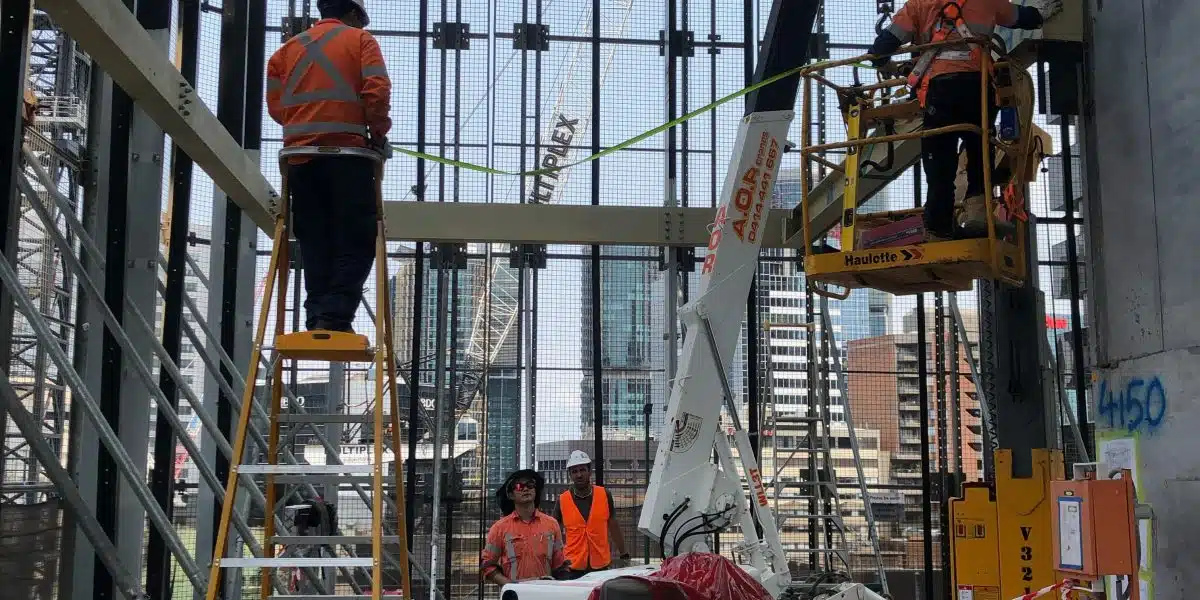
A tighter lift sequence gives the whole site a cleaner run. When beams, columns and trusses are staged in the right order, the crane spends more time lifting and less time waiting, repositioning or double handling. That matters even more on suburban blocks and tighter commercial sites where space is limited and every crane movement needs to count.
Start With The Install Order
The fastest steel jobs usually look simple from the outside. That’s because the sequence was sorted before crane day, not argued over once the truck arrived. If the install order is loose, crews waste time moving steel twice, shifting packs out of the way and waiting for the next piece to become reachable.
Put Critical Steel First
Start with the members that unlock the rest of the install. On most jobs that means primary beams, columns, portal frame elements or heavier roof steel. These pieces shape the structure and create the positions the rest of the steel relies on.
Keep Later Lifts Out Of The Way
Steel for later stages should be staged where it stays accessible without blocking early picks. That includes smaller members, secondary beams and anything the fixing crew won’t need until the main frame is standing.
Check What Will Actually Be Ready
A sequence only works if the site is ready for it. Before crane day, confirm:
- supports and connection points are ready
- access is clear for delivery and crane set-up
- landing areas are marked
- the install crew has the drawings and fixings they need
This is where time gets saved or lost. A clean install order gives the crane crew a clear run and keeps the steel team working in sequence instead of solving preventable problems on the fly.
Stage Steel For Clean Picks
Once the install order is locked in, the next job is staging. This is where a lot of steel installs either flow well or turn into a stop-start day. If packs are dropped wherever there’s space, the crane crew ends up chasing access instead of lifting to sequence.
Place Steel In Lift Order
Steel should land on site in the same order the crew plans to install it. Early picks need to sit where the crane can reach them cleanly without dragging gear around the block or lifting over material meant for later stages.
Protect Crane Access And Load Paths
Keep enough room around each pack for slinging, dogging and safe movement. On tighter residential and light commercial sites, that often means thinking ahead about:
- Driveway Access
- Side Setbacks
- Scaffold Lines
- Fencing And Neighbouring Structures
- Where Trucks Can Unload Without Boxing In The Crane
Avoid Double Handling
Every extra move costs time. If a beam has to be shifted by telehandler, unpacked from the wrong stack or re-slung because it was staged badly, the sequence starts to break down. Clean staging cuts out that wasted effort and gives the crane a faster, more predictable lifting cycle.
Group Lifts To Keep The Crane Moving
A good sequence is about grouping lifts in a way that keeps the crane working steadily. The more often the crane has to reset, wait for direction or bounce between unrelated picks, the slower the install becomes.
Lift By Area, Not Random Piece By Piece
Group steel by frame line, elevation or roof zone where possible. That gives the install crew a cleaner workflow and cuts down on backtracking across the site. A beam for the rear frame shouldn’t be mixed into a front elevation run if it forces the crane to change direction and the crew to change focus.
Reduce Hook Time
The hook should stay busy with planned picks, not idle while crews search for the next member or argue over sequence. Grouping similar lifts helps reduce:
- Unnecessary Crane Resets
- Long Pauses Between Picks
- Re-Slinging And Re-Positioning
- Installers Waiting For The Next Piece
Keep The Install Crew In Rhythm
Steel erection moves faster when the crane crew and install crew stay in sync. Clean lift grouping lets one team receive and fix while the next piece is already being prepared. That rhythm is where real time savings show up, especially on tighter sites where crane hours are expensive and access windows are short.
Match The Crane To The Site Flow
The crane should fit the sequence, not fight it. On steel jobs, the right lift plan can still lose time if the crane can’t move cleanly through the site layout or reach the steel without awkward resets. Capacity matters, though site flow often decides whether the day runs smoothly.
Where A City Crane Works Well
A city crane suits jobs where access is tight and picks need to be made from a compact set-up position. That makes it a strong option for suburban builds, narrow streets and smaller commercial sites where space around the structure is limited. If the lift can be handled from one stable position with clean reach into the work zone, a city crane can keep the sequence tight.
Where A Pick & Carry Adds Value
A pick & carry crane earns its place when the steel needs short movements around the site after pick-up. That can help on jobs where material arrives away from the final install point or where the crane needs to support multiple positions across a constrained block. For steel erectors, that flexibility can save a lot of wasted handling.
Choose For Movement & Capacity
The wrong crane can slow a well-planned install fast. Look at the full picture before booking plant:
- access into and through the site
- where steel will be unloaded
- how far each member needs to travel
- whether the crane will stay static or move between picks
- how much room the install crew needs around the lift zone
On homes and light commercial projects, the best crane is usually the one that keeps the sequence clean, the crew moving and the number of extra touches low.
Keep Communication Tight On Crane Day
Clear communication keeps the sequence moving and stops wasted lifts.
Confirm Roles Early
Before the first pick, make it clear who is directing the lift, who is rigging and who is receiving each member. That gives the crew one source of direction once the crane starts moving.
Confirm Each Pick
Before lifting, confirm the piece and where it’s landing. A quick check saves time and avoids rehandling.
Reset Fast If The Sequence Changes
If access shifts or the install order changes, pause and reset the plan before the next lift. That’s far quicker than letting the day drift out of sequence.
AOR Cranes Supports Faster Steel Installs On Tight Sites
AOR Cranes works with builders, steel erectors and carpenters to keep steel installs moving on homes and light commercial projects. With city crane hire and pick and carry crane hire suited to tighter access work, the team can help plan lifts around site layout, install order and staging so crane time is used properly on the day. AOR’s Sydney fleet includes city cranes and pick & carry cranes designed for restricted access and short on-site movements.
Bring AOR in early and you’ll give the job a better chance of running cleanly from the first pick. If you’re lining up residential steel erection, roof truss lifts or tight site lifting, get in touch through the contact page or explore AOR’s city crane hire and pick and carry crane hire services to match the right crane to the site, the load and the sequence.
FAQ: Lift Sequencing For Steel Installs
What Crane Is Best For Residential Steel Erection?
That depends on access, load weight and how the steel needs to move through the site. City cranes suit many suburban lifts from a compact set-up, while pick & carry cranes can help when steel needs short movements around tighter blocks.
Can A Pick & Carry Crane Help On Tight Sites?
Yes, especially where steel can’t be unloaded right beside the final install point. A pick & carry crane can reduce extra handling and keep the sequence moving across a constrained site.
What Should Be Ready Before A Steel Beam Lift?
The site should have clear access, marked landing areas, steel staged in install order and the fixing crew ready to receive each member. If those basics aren’t lined up, crane time gets burned fast.
Why Does Lift Sequencing Matter For Roof Truss Crane Hire?
Because truss jobs can slow down quickly when packs are staged badly or lifts happen out of order. A clean sequence helps the crane crew and install crew work through the roof zone without unnecessary pauses or repositioning.
AOR Cranes is dedicated to delivering top-notch crane hire services with safety, reliability, and expertise at the core. With over 30 years of experience, we handle every project with care and expertise to meet your needs.